Powering NYC’s Clean-Energy Future
Battery Energy Storage — Built for New York
Your Questions, Answered
Everything You Need to Know About Battery Energy Storage
Here are the questions we hear most — answered plainly and honestly.
What is battery energy storage and how does it work?
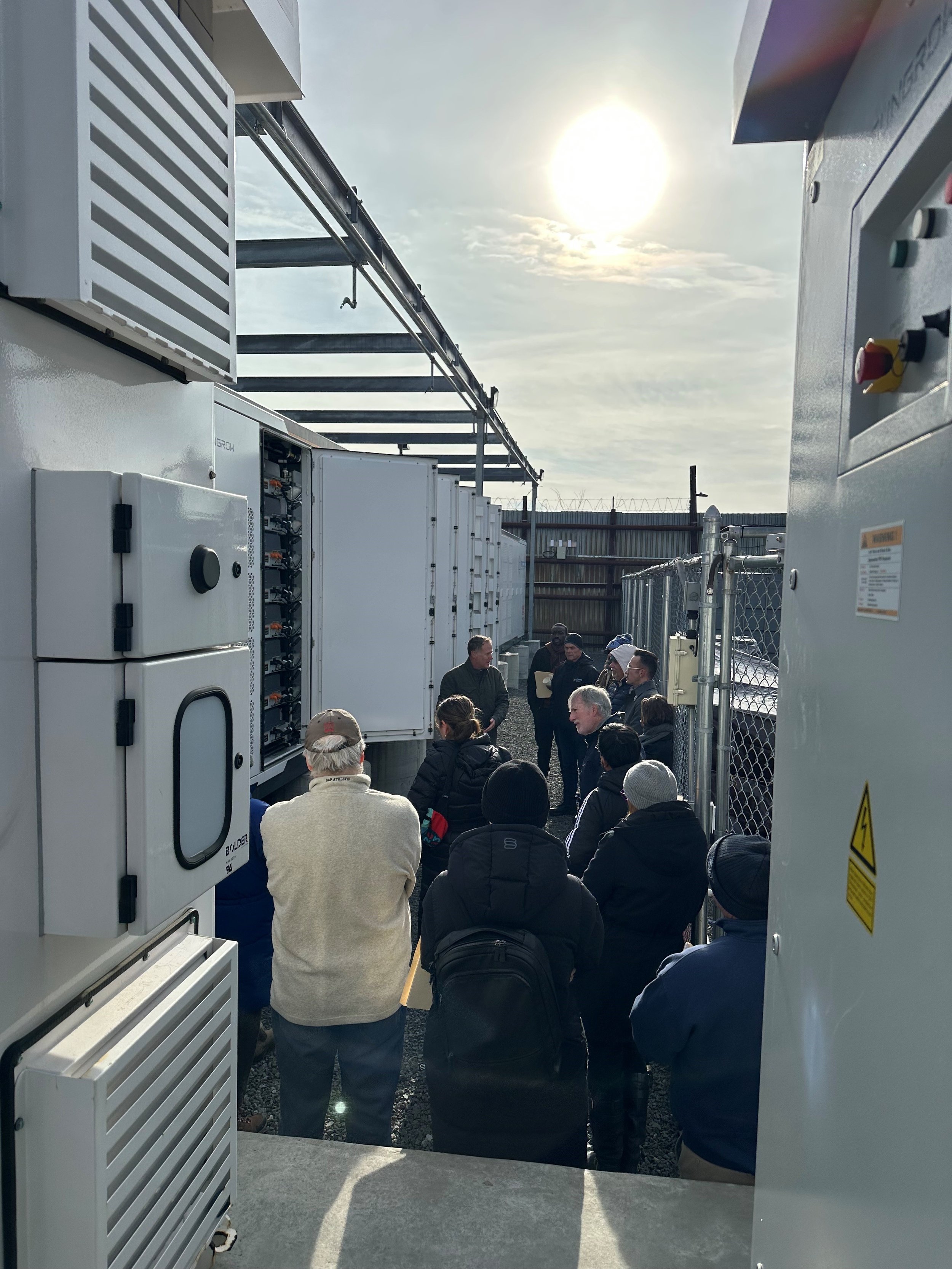
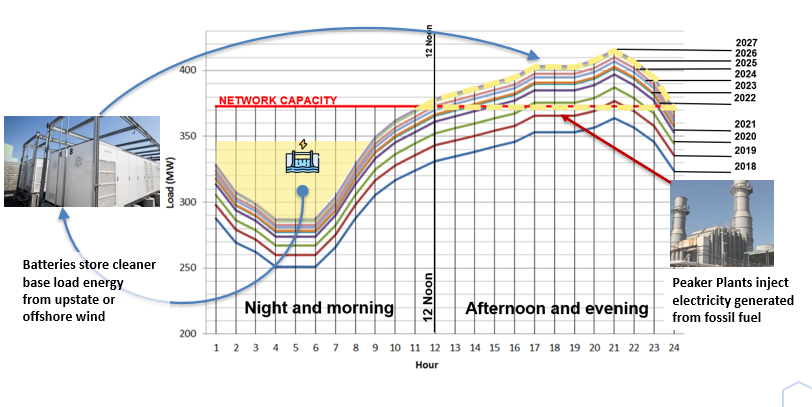
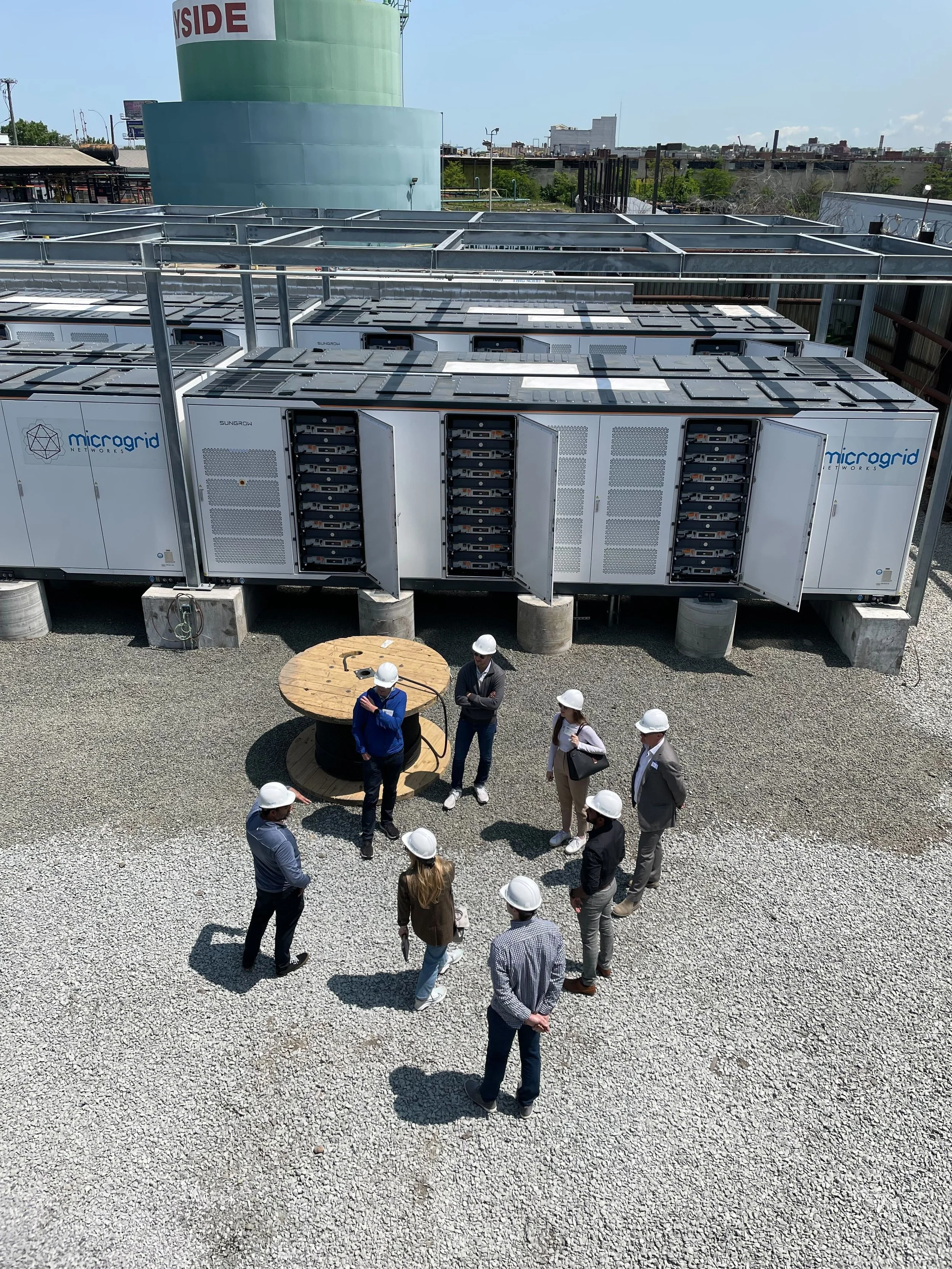
A Battery Energy Storage System (BESS) works by storing electricity when it is cheap and abundant, and releasing it when demand is high and prices spike. In practice, our batteries charge overnight — when the grid is lightly loaded and powered by clean baseload sources like upstate hydropower. During the late afternoon and evening, when demand peaks and the grid is most stressed, our batteries discharge that stored energy directly back into the local neighborhood distribution network. This process — known as "peak shaving" — flattens the spikes in demand that currently force utilities to either fire up expensive fossil-fuel peaker plants or build costly new infrastructure. It is the same battery technology found in your phone and computer, just at a much larger scale.
Why are batteries the future of energy?
The path to modernization and full electrification of New York's power system runs directly through energy storage. The grid must carry more power, more flexibly than ever before.
Before batteries, the grid required the perfect balancing of power supply and consumption which caused overbuilding the network and the system to supply it. Batteries allow the grid to "flex" in real time, storing excess energy when supply is high and releasing it when demand peaks. This allows for a more efficient grid which is more resilient, will require fewer upgrades and will allow for the full integration of intermittent supply from solar and wind resources. New York State has recognized this; setting a goal of 6,000 MW of storage by 2030, with approximately 3,000 MW needed downstate across NYC's 70 sub-grids alone. NYSERDA estimates that deploying this storage will reduce projected future electric system costs by $2 billion.
Where does the energy come from to charge the batteries?
Our batteries charge directly from the Con Edison grid — the same grid that powers every home and business in New York City. In practice, that means drawing power overnight, when fossil-fuel peaker plants are idle and the grid is dominated by clean baseload sources like upstate hydropower. That stored energy is then dispatched back into the local distribution network during the day, when demand is highest.
As New York State continues to add offshore wind, solar, and other renewables, our facilities store that energy locally and release it where it's needed most. The cleaner New York's grid becomes, the cleaner our storage becomes — making MGN's facilities an increasingly powerful tool for decarbonization over time, without any change to the facilities themselves.

Why build small, distributed plants rather than one large facility?
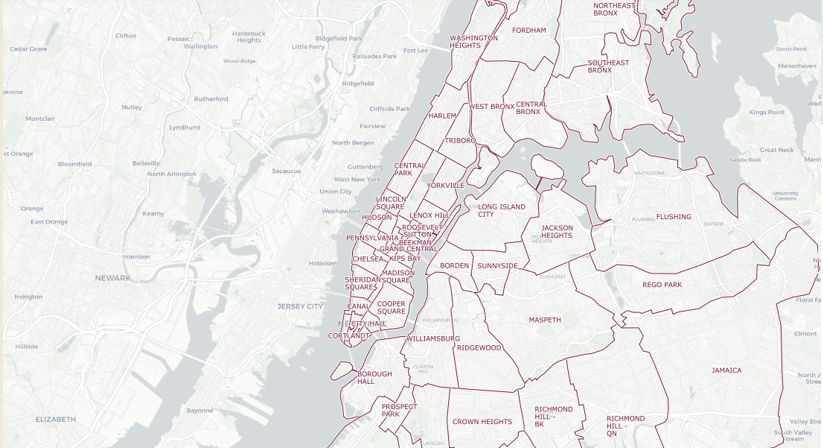
The NYC grid is not one grid - it is a network of 70 distribution grids each of which serves a specific neighborhood. 85% of the grid in New York is underground which makes it reliable but expensive to upgrade.
In such a network the best place to locate energy storage is at the edge of the network as close to the load customers as possible because it makes everything upstream of it more efficient and thus reduces the need for upgrades. A NYSERDA study concluded that facilities like ours will save New Yorkers more than $2 billion in unnecessary grid upgrade costs by making the grid we already paid for more efficient.
Is the technology safe?
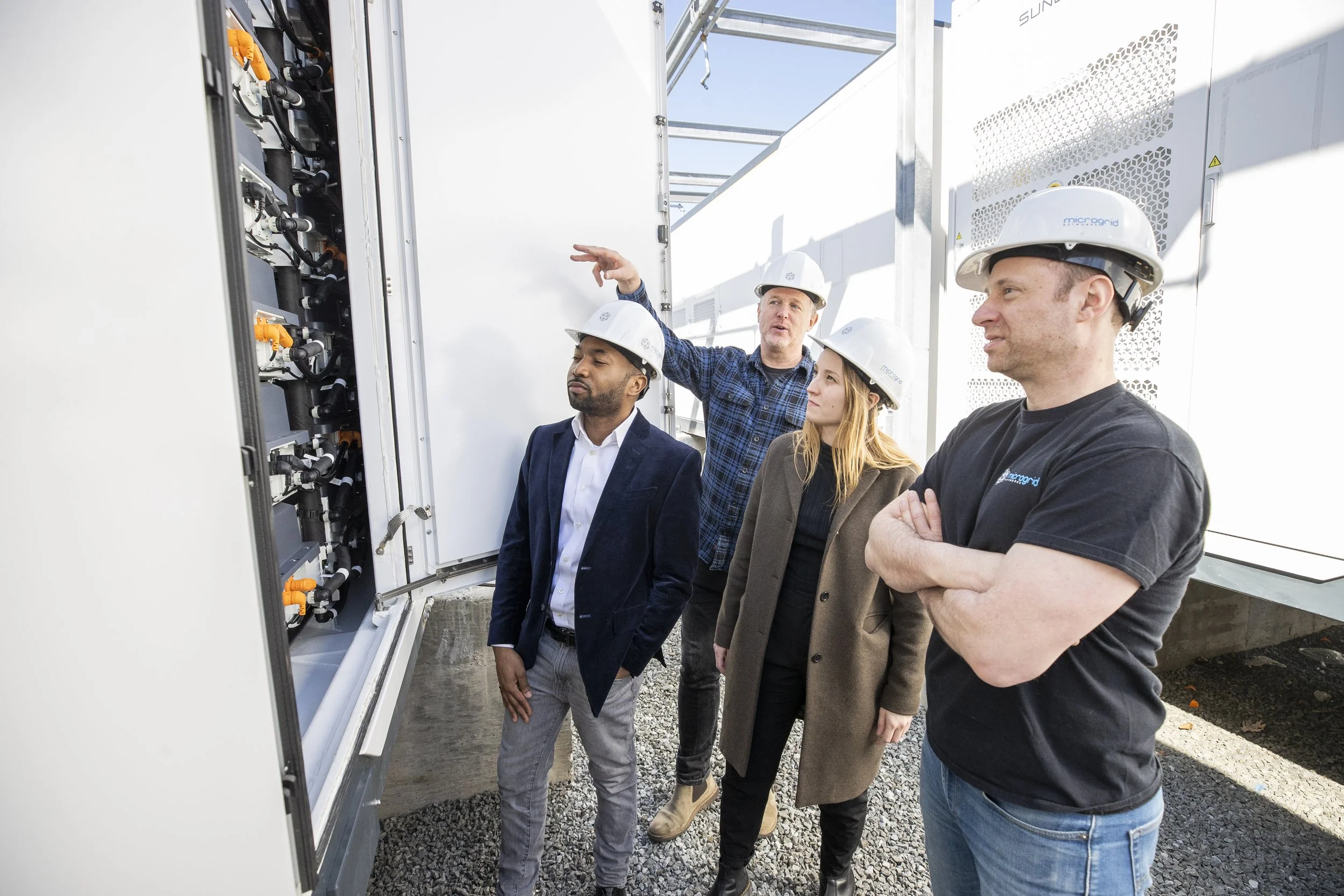
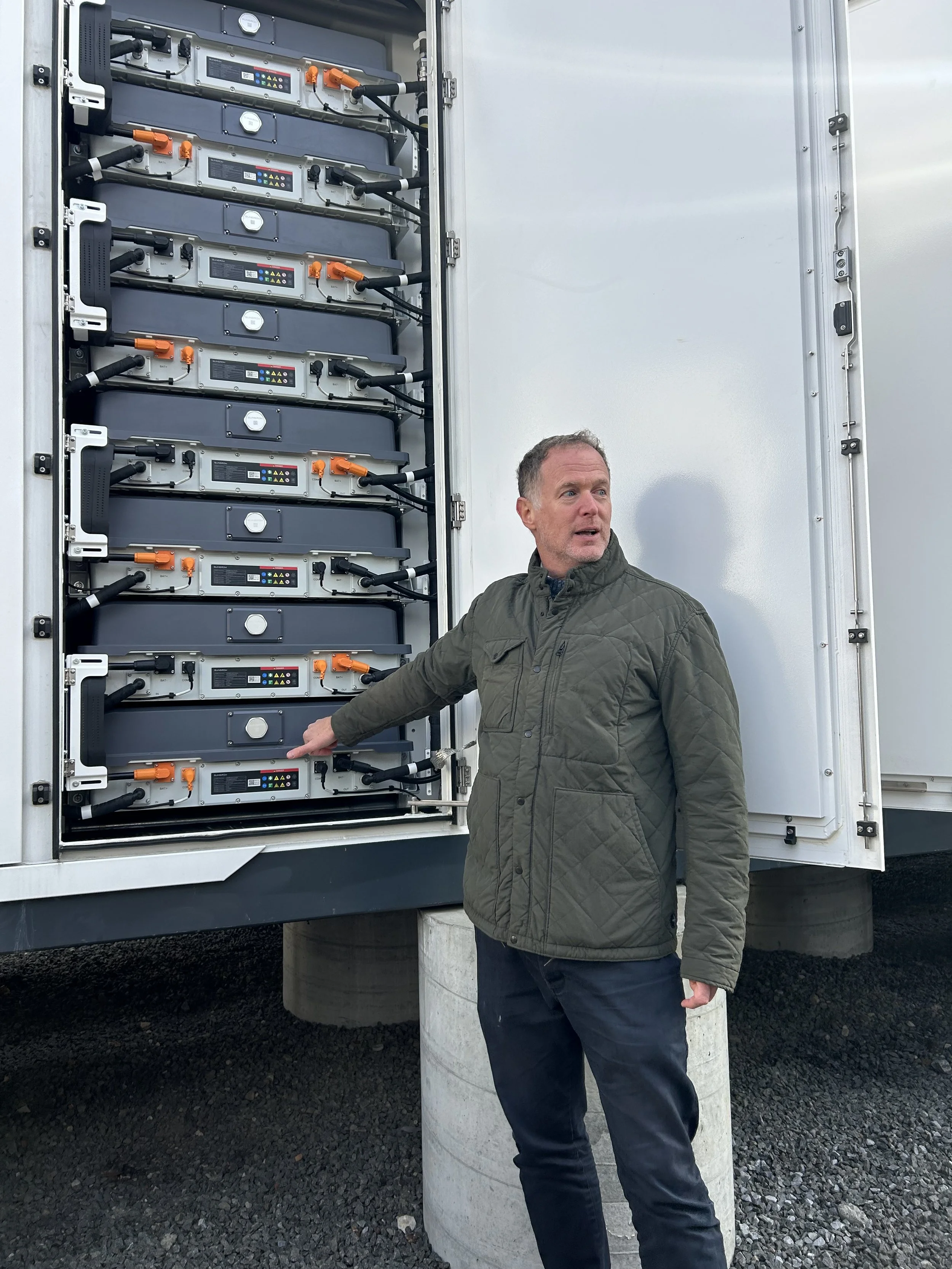
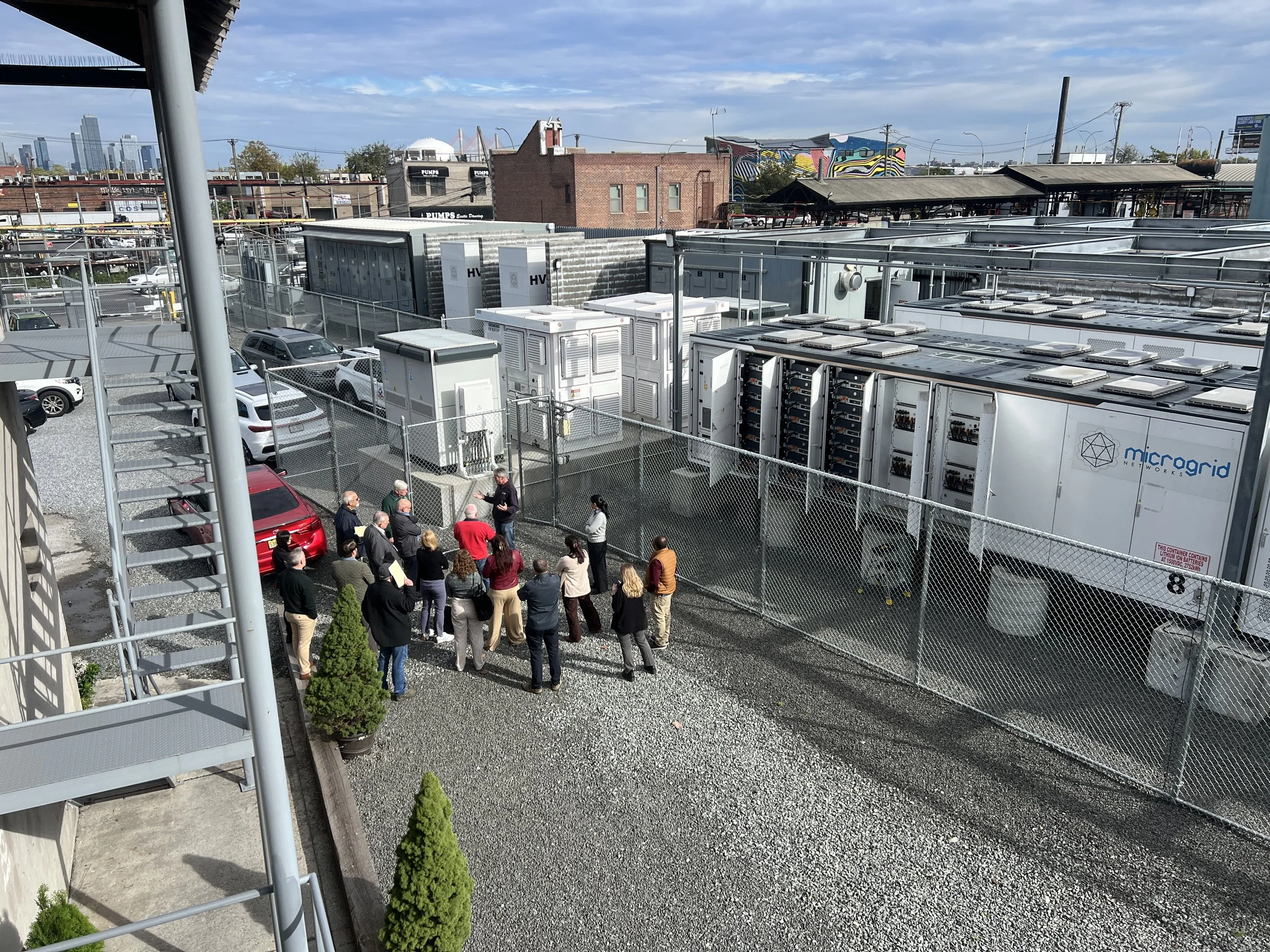
MGN's facilities are built to ConEdison's EO-2022 standard and are fully compliant with FDNY Fire Code FC 608; one of the strictest battery storage safety frameworks in the country. We use the same battery technology found in your phone and computer, just at a larger scale. Each battery cell is individually housed and separated, so heat from one cell cannot spread to the next. Each facility uses water-based suppression systems, deflagration-rated enclosures, established setbacks, and Emergency Management Plans developed directly with fire department personnel.
Before any facility is permitted, batteries must pass two rounds of Underwriters Laboratory certification and then clear a separate FDNY approval process that includes thermal runaway testing, fire suppression approval, fire alarm approval, 24/7 remote monitoring, and a site-specific emergency management plan. The battery incident rate has fallen 97% since 2018 thanks to NFPA 855, UL 9540A testing, and FDNY Rule 608-01 — and there have been zero U.S. fatalities from utility-scale battery storage fires. Under normal operation these facilities produce no combustion, no emissions, and no noise beyond a standard HVAC system.
Could a battery fire cause an explosion or a "mini-Chernobyl?
This concern comes up often and deserves a direct answer. Battery storage facilities do not contain flammable gas, radioactive material, or explosive chemicals. The real comparison isn't Chernobyl — it's the gas peaker plants that currently sit in many of these same neighborhoods, burning fossil fuels and releasing NOx, particulate matter, and CO2 into the air that local residents breathe every day. MGN's facilities replace those plants. In the rare event of a thermal incident in a battery cell, our multi-layer suppression systems, separated cell architecture, and FDNY-coordinated emergency plans contain it immediately. The risk profile of battery storage is orders of magnitude lower than the gas infrastructure it replaces.
How does battery storage reduce the cost of electricity?
New York's grid was built decades ago and today operates well below its potential capacity — meaning ratepayers are paying for infrastructure that isn't being fully used. Battery storage fixes this by shifting energy consumption to off-peak hours when the grid is underutilized and dispatching it back during peak demand when power is most expensive. This reduces the need for costly infrastructure upgrades and eliminates the need to fire up expensive peaker plants. The result is a more efficient grid that costs less to operate — and those savings flow directly to ratepayers.
Why is it especially important to install batteries in NYC?
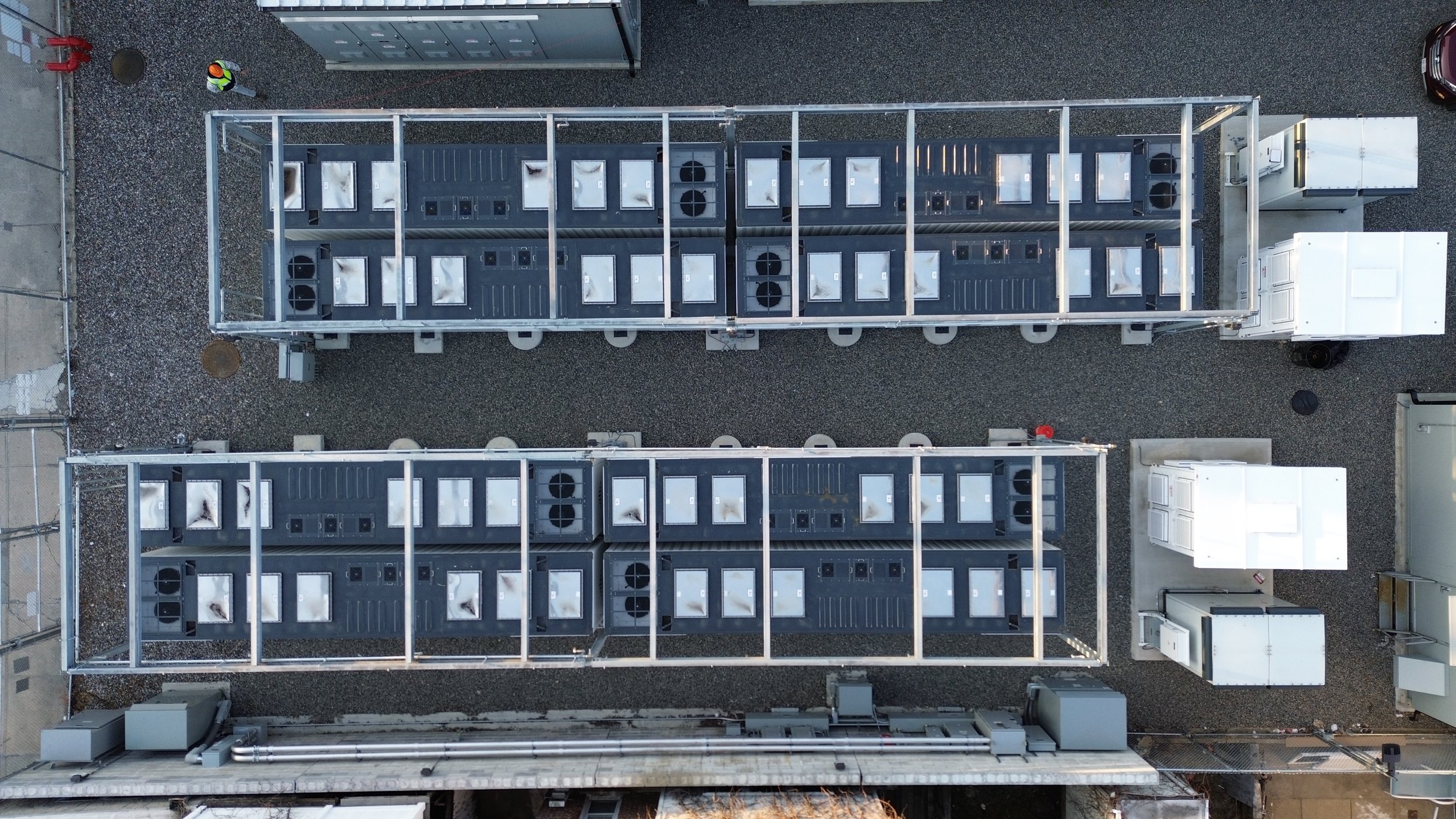
New York City is the most dense and complex coastal economy and energy market in North America. That city and state are taking vigorous action to prepare for more frequent and intense weather and events as well as the increase in electricity use from data centers, AI, EVs, and the electrification of heat. These factors increase the risk to the grid.
MGN's energy facilities directly address these risks, increase the resilience and value of the real estate where they are located, and create a new foundation for economic growth and competitive advantage in the city. The NYC grid is one of the oldest and most congested in the country — batteries are the only way to carry more power, more flexibly, without tearing up streets to lay new infrastructure.
What’s in it for me?
Whether you live, work, or own property in New York City, MGN's facilities benefit you directly. For all New Yorkers, distributed storage relieves pressure on the grid, reduces the need for costly infrastructure upgrades, and helps drive down energy costs over time. We are on target to start providing $700k/year of discounted power to low-income NYC ratepayers in 2027!
These facilities also reduce the need for gas peaker plants which emit pollution which has been shown to be dangerous to surrounding neighbors. The Bronx currently has some of the highest asthma hospitalization rates in the city, directly linked to the concentration of fossil fuel peaker plants in the area. Every MGN facility that comes online is one step toward cleaner air for those communities. It's a measurable improvement in air quality, grid reliability, and long-term economic opportunity for the people who call this city home.
For property owners who host our facilities, it means increased real estate value and a new long-term source of lease income on parcels that might otherwise sit underutilized.